

Crafts
Aritsugu
World-famous knife smiths with over 450 years of history. Originally forgers of swords for the Imperial House, Aritsugu now crafts the finest Japanese kitchen knives.
Block 4 9:00–17:30
Four centuries of tradition in a single 400-metre arcade. Discover rare seafood, heirloom crafts, and the beating heart of Kyoto's food culture.
Stretching one block north of Shijo-dori, Nishiki Market has fed Kyoto for over 400 years. More than 100 specialist vendors — fishmongers, pickle makers, tofu artisans, and knife-smiths — line the covered arcade, preserving traditions that predate modern Japan.

Start at the eastern Teramachi entrance for the most vibrant atmosphere and traditional entry point.
Pick up fresh oysters, grilled skewers, or dashimaki tamago from vendors along the way.
Browse world-class knives at Aritsugu, seasonal pickles, and handcrafted ceramics unique to Kyoto.
Eating while walking is not permitted. Enjoy purchases at the stall and keep the arcade tidy.
World-famous knife smiths with over 450 years of history. Originally forgers of swords for the Imperial House, Aritsugu now crafts the finest Japanese kitchen knives.
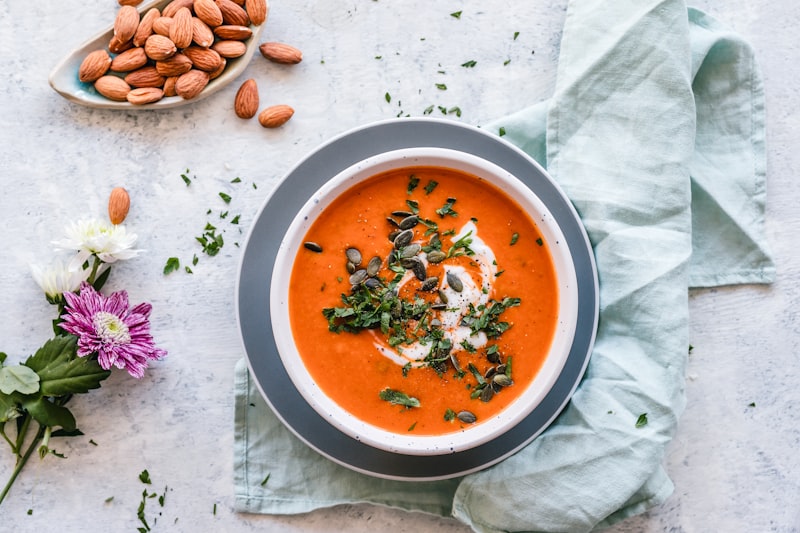
One of the market's most beloved tofu specialists. Try their fresh yuba (tofu skin) and silken tofu made with Kyoto's legendary soft water.
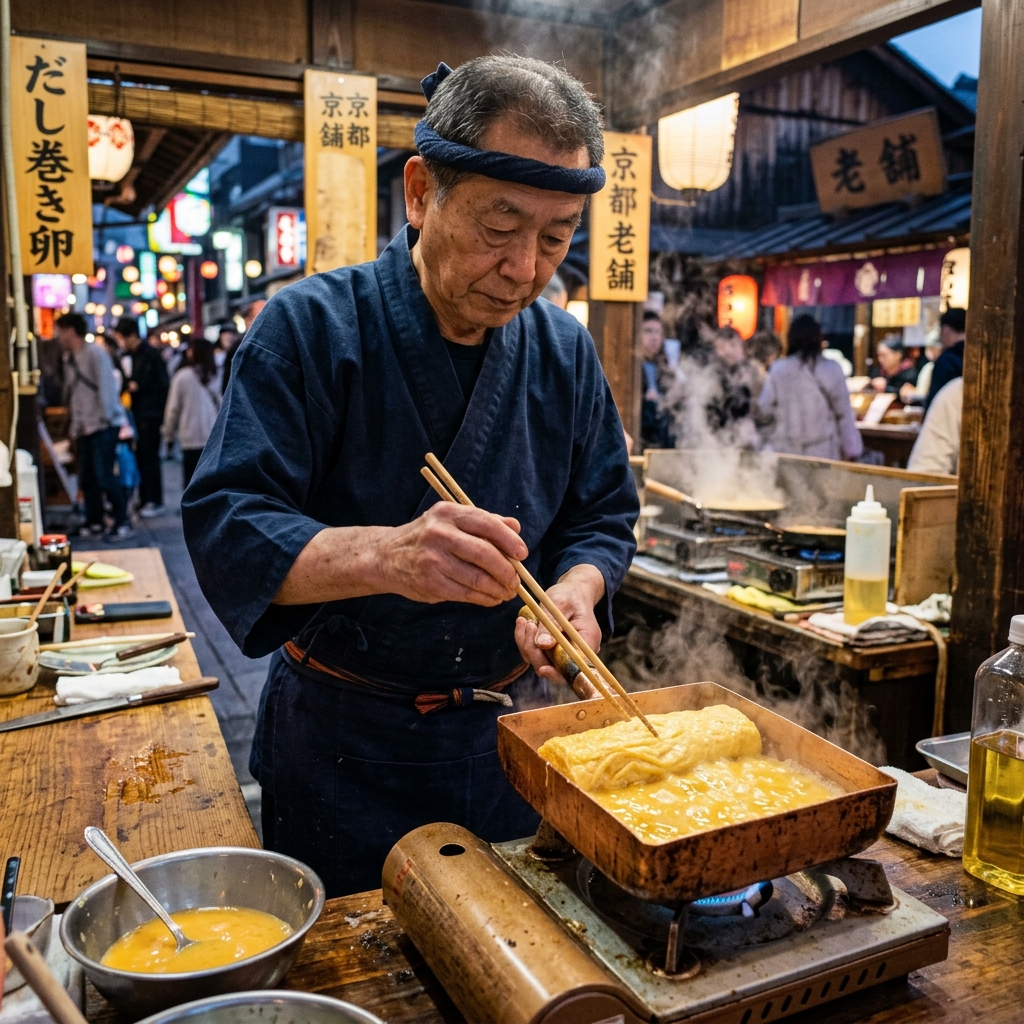
Famous for their dashimaki tamago (Japanese rolled omelette). The eggs are mixed with rich kelp and bonito broth, then carefully cooked into a fluffy, savory delicacy.

Traditional Kyoto pickles (tsukemono) made using seasonal vegetables and age-old family recipes passed down over generations.
400+
Years of History
100+
Specialist Shops
400m
Arcade Length
5
Distinct Blocks
The market's produce and specialties change with the seasons. Here's a taste of what awaits.
★★★★★"Nishiki Market was the single best thing I did in Kyoto. The tako-tamago alone is worth the trip. Every stall has something you've never seen before — and the vendors are so warm and welcoming."
★★★★★"We spent nearly three hours here and it still wasn't enough. The Aritsugu knife shop is extraordinary — we bought two knives and they engraved our names in Japanese. An unforgettable experience."
★★★★★"Even as a Japanese person, I find something new every time I visit. The seasonal produce is exceptional — particularly the autumn matsutake mushrooms. No supermarket can come close to this quality."
Timing your visit right makes all the difference. Here's everything you need to know to experience Nishiki Market at its finest.
🌸 Spring (March–May)
Best overallCherry blossom season brings bamboo shoots, sakura mochi, and a festive atmosphere. Crowds are high but the energy is unmatched.
🍂 Autumn (September–November)
Foodie favouriteMatsutake mushrooms, roasted chestnuts, and autumn kyo-yasai. Cooler temperatures make browsing comfortable.
❄️ Winter (December–February)
Hidden gemThe least crowded season. Warming broths, fresh crab, and New Year specialties. A local's market experience.
☀️ Summer (June–August)
Vibrant but hotHamo eel is at its peak during Gion Festival. Arrive early morning to beat the heat and the crowds.
Daily Opening Hours
9:00 – 10:30 am Golden Hour
Quietest. Vendors setting up, freshest produce on display.
10:30 am – 1:00 pm Morning Rush
Busy but full stock. Best window for food stalls.
1:00 – 4:00 pm Peak Crowds
Most crowded. Narrow aisles can feel tight on weekends.
4:00 – 6:00 pm Late Afternoon
Crowds thin. Some vendors offer end-of-day deals.
📅 Best Days of the Week
Tuesday, Thursday & Friday are the sweet spots — busy enough to feel lively, quiet enough to move freely. Avoid weekends and Japanese public holidays if possible.
⚠️ Days to Avoid
Weekends, Gion Matsuri (July 17 & 24), and Golden Week (late April–early May) see extreme crowds. Many traditional shops also close on Wednesdays.
Nishiki stretches 400 metres across five distinct blocks. How long you stay depends entirely on how you like to explore.
🚶
30 – 45 min
Quick Walk-Through
Tight itinerary, transit visit
⭐
1 – 2 hours
The Sweet Spot
Most visitors — recommended
🔍
2 – 3 hours
Deep Dive
Food lovers and serious shoppers
Start from the Karasuma (west) end
Less crowded entry point. Work eastward toward the Teramachi covered arcade exit.
Don't fill up too fast
Pace yourself — the best stalls are spread across all five blocks. Save room for the tako-tamago and yuba soft-serve.
Bring cash (¥3,000–¥5,000)
Many small vendors are cash-only. An ATM is available at 7-Eleven just outside the east entrance.
Combine with Pontocho or Gion
Nishiki pairs perfectly with a stroll through Pontocho Alley or Gion. Plan 3–4 hours for the full Kyoto food experience.

Explore Kyoto's 400-year-old "Kitchen" with an expert local guide and sample iconic delicacies.
7 Authentic Tastings
Fresh dashimaki, yuba, skewers & seafood
Sit-Down Kyoto Brunch
Relaxing traditional meal included
Expert Local Guide
Deep insights into 400 years of culture
Free Cancellation
Full refund up to 24 hours in advance


